
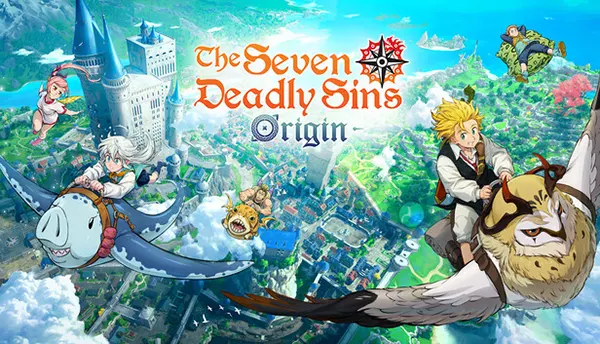
The Seven Deadly Sins: Origin — Release Details and Gameplay Systems Explained
The Seven Deadly Sins: Origin is one of the most anticipated mobile and cross-platform RPG projects based on the globally recognised anime and manga franchise created by Nakaba Suzuki. Developed by Netmarble, the game expands the universe established in The Seven Deadly Sins: Grand Cross and shifts the focus towards an open-world action RPG structure. As of 2026, the title remains in active development, with official gameplay showcases confirming its direction, core systems and technical ambitions. Below is a detailed, fact-based overview of what is currently known about its release timeline, gameplay mechanics and design philosophy.
Release Timeline and Development Status in 2026
The Seven Deadly Sins: Origin was first officially revealed by Netmarble in 2021 as a next-generation project following the commercial success of Grand Cross. Unlike its predecessor, which relied on turn-based combat, Origin was announced as a fully explorable open-world action RPG. The development team confirmed that the game is being built on Unreal Engine, targeting high-end mobile devices, PC, and consoles.
Between 2023 and 2025, Netmarble released several gameplay trailers during global showcases, including G-Star and Summer Game Fest-related events. These presentations demonstrated large-scale environments, real-time combat sequences and character-switching mechanics. However, despite initial expectations of a 2024 launch window, the release was officially delayed to allow for further optimisation and system expansion.
As of early 2026, Netmarble has not announced a final global release date but has confirmed that closed beta testing phases are planned across selected regions before a worldwide launch. The company has emphasised cross-platform functionality, meaning shared progression between mobile and PC versions is expected, aligning with current industry trends.
Platform Availability and Technical Direction
The game is being developed simultaneously for iOS, Android, and PC, with console discussions mentioned in investor briefings. Unlike many mobile-first anime RPGs, Origin is designed with scalable graphics settings, suggesting it is not simply a smartphone title ported elsewhere, but a cross-platform product built from the ground up.
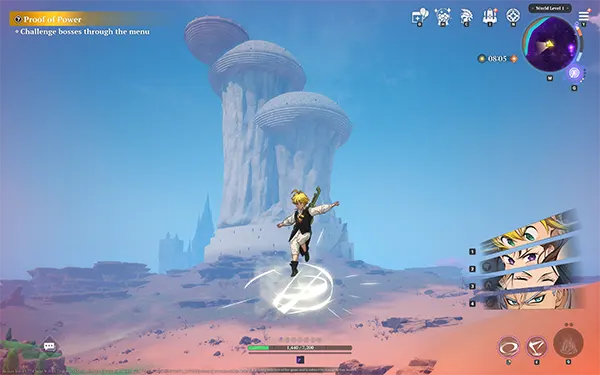
Gameplay footage reveals dynamic weather systems, vertical exploration elements and seamless transitions between combat and traversal. These technical features indicate a shift towards a Genshin Impact-style model, though Netmarble has not officially positioned the game as a direct competitor. Instead, the publisher frames Origin as a narrative continuation within the franchise.
Importantly, the monetisation model has not been fully disclosed. While character acquisition systems similar to gacha mechanics are widely expected, developers have indicated that exploration and story progression will not be restricted by paywalls, addressing concerns often associated with free-to-play RPG design.
Core Gameplay Systems and Combat Mechanics
The most significant evolution from Grand Cross lies in combat design. The Seven Deadly Sins: Origin abandons turn-based mechanics in favour of real-time action combat. Players control one character at a time while being able to switch between team members mid-battle, enabling combo chains and tactical skill rotations.
Each character possesses unique abilities drawn from the anime source material. Trailers have shown elemental attacks, area-of-effect skills, ultimate abilities and synergy-based interactions between party members. Combat appears to blend light and heavy attack inputs with cooldown-based skills, indicating a hybrid action-RPG control system optimised for touchscreens and controllers.
Boss encounters are designed as large-scale, cinematic battles featuring multi-phase mechanics. Gameplay footage includes towering enemies with destructible armour segments and environmental interaction. This suggests that combat depth goes beyond simple stat comparisons and requires mechanical execution.
Exploration, World Design and Progression Systems
The game world is structured as an interconnected open environment inspired by Britannia, the central continent of the series. Players can traverse towns, forests, ruins and coastline regions without loading screens between key zones. Climbing, gliding and mounted travel have all been demonstrated in official previews.
Progression appears to combine narrative-driven quests with optional side missions and world events. Early footage indicates puzzle-solving segments, collectible systems and dungeon-style instanced challenges. These systems are likely intended to extend engagement beyond main story chapters.
Character development includes level progression, equipment upgrades and skill enhancements. While detailed endgame systems have not yet been fully revealed, Netmarble has confirmed that multiplayer elements — including cooperative boss raids — are planned, expanding the long-term replay value of the title.
Narrative Direction and Franchise Integration
The Seven Deadly Sins: Origin is not a direct retelling of the anime’s main storyline. Instead, it introduces an original narrative set within the same universe. Early materials suggest players may control Tristan, the son of Meliodas and Elizabeth, connecting the game to the sequel storyline known as Four Knights of the Apocalypse.
This narrative positioning allows Netmarble to introduce both returning characters and new original heroes. It also provides creative freedom, avoiding strict adaptation constraints while maintaining canon relevance. For long-term fans, this approach offers continuity without simple repetition of familiar arcs.
Voice acting in Japanese has been confirmed, featuring actors associated with the franchise. While localisation plans for English voiceovers remain unconfirmed as of 2026, multilingual subtitle support is expected for global markets.
Monetisation Expectations and Long-Term Support
Although Netmarble has not finalised the monetisation model publicly, industry patterns suggest a free-to-play structure supported by character banners and cosmetic purchases. The publisher’s previous success with Grand Cross relied heavily on rotating summon events, and similar systems are likely to appear in Origin.
At the same time, developers have stated in interviews that gameplay accessibility is a priority. This signals potential balancing measures to avoid excessive pay-to-win mechanics, particularly important in competitive or cooperative multiplayer modes.
Post-launch content strategy is expected to include seasonal updates, limited-time events and story expansions. Given Netmarble’s history of multi-year live-service support, it is reasonable to anticipate structured content roadmaps extending well beyond the initial release window.