

Project Mugen: What Is Known About the Upcoming Urban Anime Open-World RPG
Project Mugen is one of the most discussed upcoming titles in the action RPG segment, combining open-world exploration with a modern urban setting inspired by anime aesthetics. Developed by Naked Rain and published by NetEase, the game has drawn attention for its blend of traversal freedom, character-driven storytelling, and stylised city environments. As of 2026, official details remain selective, yet enough information has emerged through trailers and developer commentary to outline its core mechanics and ambitions.
Core Concept and Setting of Project Mugen
Project Mugen places players in a large-scale open city that mixes everyday urban life with supernatural elements. Unlike traditional fantasy RPGs, the environment reflects a contemporary metropolis, complete with traffic systems, residential districts, and commercial areas. However, beneath this realistic surface lies a hidden layer of anomalies and unexplained phenomena that shape the narrative.
The game’s world design focuses on verticality and interactivity. Players can move freely across rooftops, climb buildings, and use dynamic traversal tools such as grappling mechanics. This approach aligns more with modern sandbox titles than with classic RPG exploration, suggesting a strong emphasis on mobility rather than static quest progression.
Another defining aspect is the narrative tone. Early footage indicates a mix of mystery, light humour, and character-driven storytelling. The city is not just a backdrop but a central element that evolves alongside the player’s actions, reinforcing the sense of immersion and continuity.
Urban Design and Environmental Mechanics
The urban environment in Project Mugen is designed to feel alive rather than decorative. Traffic flows naturally, NPCs follow daily routines, and environmental interactions extend beyond simple exploration. Players can engage with objects, vehicles, and even infrastructure elements, which adds depth to moment-to-moment gameplay.
Weather systems and time-of-day cycles also play a functional role. Changes in lighting and conditions affect visibility, movement, and certain mission triggers. This suggests that exploration and combat may require adaptation depending on environmental factors.
Additionally, the game appears to incorporate destructible or reactive elements within the city. While not fully confirmed, several gameplay sequences hint at physics-based interactions, which could influence both combat strategies and traversal routes.
Gameplay Systems and Combat Approach
Project Mugen blends action-based combat with RPG progression mechanics. Players control a team of characters, each with distinct abilities, weapons, and combat styles. Switching between characters in real time allows for tactical combinations and varied engagement strategies.
Combat appears fast-paced and skill-oriented, drawing comparisons to titles like Genshin Impact and Honkai: Star Rail, though with a more grounded urban setting. Abilities are visually expressive, featuring anime-inspired effects, yet remain readable during high-intensity encounters.
Character progression includes levelling systems, equipment upgrades, and skill trees. While details are still limited, early previews indicate a balance between accessibility and depth, ensuring that both casual players and experienced RPG fans can engage with the mechanics.
Character Roles and Team Synergy
Each character in Project Mugen serves a specific role within the team, whether focused on damage output, support, or crowd control. This structure encourages players to experiment with different combinations to optimise performance in various scenarios.
Synergy between abilities is expected to be a key feature. Combining skills from multiple characters may trigger enhanced effects or chain reactions, rewarding strategic planning over repetitive actions. This system adds an additional layer of complexity without overwhelming the player.
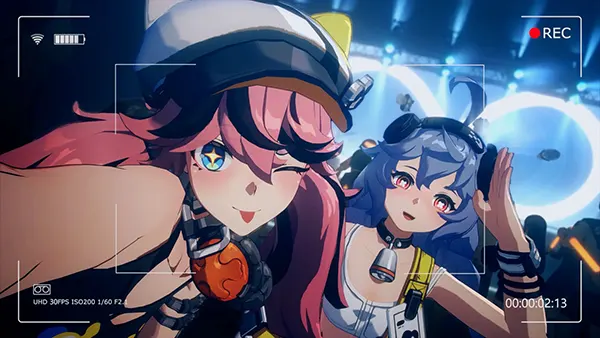
Another notable aspect is the emphasis on character identity. Beyond combat, each playable figure appears to have a defined personality, background, and narrative arc, contributing to the overall storytelling and player engagement.
Platforms, Release Expectations, and Market Position
As of 2026, Project Mugen is confirmed for multiple platforms, including PC, mobile devices, and potentially consoles. This cross-platform approach reflects current industry trends, aiming to reach a broader audience while maintaining consistent gameplay quality.
The release date has not been officially finalised, but development progress suggests that the game is moving beyond early production stages. Closed testing phases and additional gameplay showcases are expected to provide clearer timelines in the near future.
In terms of market positioning, Project Mugen is likely to compete within the growing segment of anime-inspired open-world RPGs. Its urban setting differentiates it from fantasy-heavy competitors, offering an alternative aesthetic and gameplay experience.
Monetisation Model and Player Expectations
Although not fully confirmed, industry patterns suggest that Project Mugen may adopt a free-to-play model with optional in-game purchases. This could include character acquisition systems, cosmetic items, or progression-related features, similar to other NetEase titles.
Player expectations are shaped by comparisons to existing games in the genre. As a result, performance optimisation, fair progression systems, and regular content updates will likely play a significant role in long-term reception.
Community engagement is already forming through early previews and discussions. Feedback from initial testing phases may influence balancing decisions, content pacing, and future updates, making player input an important factor in the game’s development cycle.