
Sonic Rumble: A 2025 Mobile Platformer and Action Title Reviving a Legendary Franchise
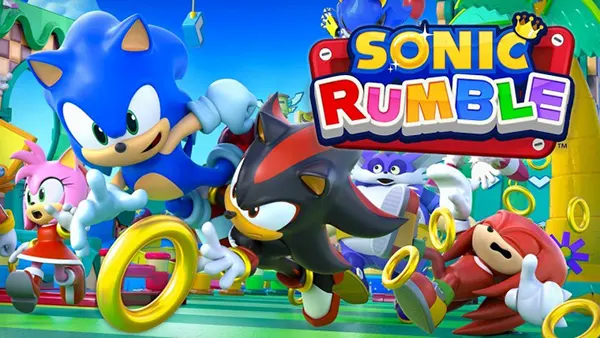
Sonic Rumble marks a notable return of the iconic series to mobile devices in 2025, delivering a fast-paced platformer blended with action-focused challenges. The game has been developed with attention to modern mobile capabilities while staying true to the essence of the brand: speed-centred gameplay, competitive stages, and a bright visual identity. This title expands the franchise’s presence on smartphones with refined mechanics and new modes tailored for short yet dynamic sessions.
Core Gameplay and New Mechanics
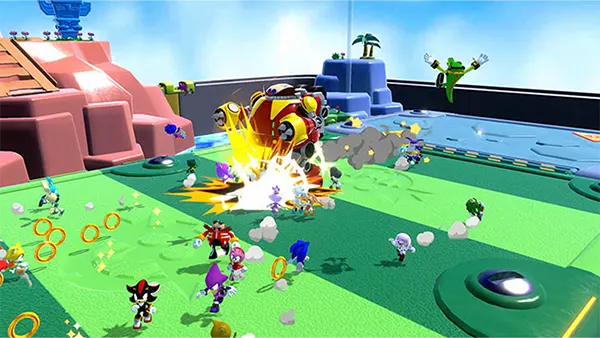
The foundation of Sonic Rumble lies in its compact, obstacle-heavy arenas designed for swift runs and precise movement. Unlike earlier mobile instalments, the structure revolves around short rounds where players compete in time-based missions or elimination-style races. Each environment introduces moving platforms, environmental hazards, and interactive elements that influence the pace of every match. The difficulty curve is designed to feel approachable for newcomers while offering depth for players aiming to master advanced routes.
A significant update for 2025 is the expanded physics model. Characters now respond more accurately to direction changes and speed variations, allowing greater control in crowded stages. This improvement benefits both competitive and single-player runs. The technical optimisation also ensures stable performance on mid-range devices, reducing input delays during demanding events.
Customisation is another prominent component. Players can unlock new character skins, animations, and effects linked to in-game progress rather than external purchases. These elements do not influence performance but offer a sense of identity within multiplayer lobbies. This approach contributes to a more balanced competitive environment.
Level Variety and Stage Design
The stage design follows a multi-layered approach, meaning each course includes several possible routes with varying levels of risk. Challenging shortcuts reward accurate timing, while safer paths provide stability during crowded events. This structure supports replay value, as players experiment with different strategies to improve their personal standings.
Environmental themes draw inspiration from classic Sonic locations, such as tropical settings, mechanical zones, and futuristic circuits. Each stage incorporates moving hazards and shifting platforms to ensure variability between matches. The developers have adapted these elements specifically for mobile controls, maintaining responsiveness across touchscreen layouts.
Special “event stages” appear during seasonal updates. These levels introduce limited-time obstacles and reward tracks linked to themed content. The design goal is to maintain long-term engagement without forcing constant progression pressure on players.
Multiplayer Format and Competitive Elements
The multiplayer system supports real-time matchmaking with up to thirty players per session, depending on region and device capability. Matches consist of several short rounds that gradually reduce the participant count until a single player remains. These rounds vary between race-style segments, survival challenges, and objective tasks that require cooperation or competition.
Server infrastructure for 2025 focuses on regional routing to minimise latency issues. This change ensures smoother gameplay even during peak activity. Rankings are based on seasonal ladders that reset at fixed intervals, offering long-term progression without pushing players into excessive commitment.
An additional feature is the “crew” system. Small groups of players can form teams to share rewards and track progress collectively. This system encourages cooperation while preserving the individual nature of competitive stages. Crew achievements unlock cosmetic bonuses but do not influence gameplay balance.
Social Features and Accessibility
The social interface includes built-in messaging filters and parental tools to maintain a controlled environment, important for a franchise with a wide age range of players. These tools allow customised communication limitations and privacy settings without obstructing the overall multiplayer experience.
Accessibility support has been expanded. Adjustable control schemes, high-contrast visuals, and audio cues make the game suitable for players with differing needs. These features are available from the initial setup and can be revised at any moment through the menu.
The replay function enables players to review past runs and analyse their movement patterns. This tool is especially useful for those seeking to improve their stage times and understand alternative paths used by top-ranked players.
Technical Features and Mobile Optimisation
Sonic Rumble has been developed with current mobile chipsets in mind, providing a stable frame rate across the majority of supported devices. The game automatically adjusts visual settings depending on hardware capability, prioritising a fluid experience over visual intensity. This system ensures that both premium and mid-range smartphones can handle competitive stages without interruption.
Battery usage has been a central focus in the optimisation process. Background activity is minimised, and performance modes allow players to choose between maximising visuals or preserving battery life during extended sessions. This flexibility aligns with the short-session nature of the title.
The update schedule for 2025 includes monthly balance patches, seasonal events, and feature additions that refine character movement, improve collision accuracy, and expand available content. These updates ensure the game remains relevant throughout the year while offering transparency about upcoming changes.
Future Development Plans
The development roadmap highlights further expansions, including additional characters from the broader franchise. These additions will follow the same principle of cosmetic variety rather than gameplay alteration to maintain fair competition. New arenas are also planned, featuring more vertical layouts and dynamic environmental transitions.
Cross-progression options are currently under evaluation. If implemented, players would be able to sync progress across multiple devices without external accounts. The objective is to offer flexibility without introducing unnecessary complications for casual users.
Community feedback will continue to influence design choices. Surveys within the game identify preferred modes, frustration points, and requested accessibility features. This feedback-driven approach aims to maintain the title’s longevity within the mobile gaming market of 2025.